Most businesses treat their website the same way they treat a business card. It has their name, their phone number, a list of what they do, and maybe a stock photo of someone shaking hands. It sits there. It exists. And it does almost nothing.
That is not a digital strategy. That is a digital brochure. And in 2026, a brochure is not enough. The businesses that are growing -- the ones pulling ahead of their competitors month after month -- are not just building websites. They are building digital systems. And the difference is enormous.
What Is a "Digital System"?
A website tells people about your business. A digital system runs parts of your business. It is the difference between a window display and an entire shop floor, complete with staff, a till, an inventory system, and a loyalty programme.
A digital system combines four things: a high-performance website, a management dashboard, automation workflows, and analytics. Each one serves a specific function, and together they create something far more powerful than any of them could be alone.
Website + Dashboard + Automation + Analytics = Digital System
A website attracts visitors. A dashboard gives you control. Automation saves you time. Analytics tells you what is working. Remove any one of these, and you are leaving growth on the table.
The Restaurant Test: Website vs. System
Consider two restaurants. Restaurant A has a website. It lists the menu, the opening hours, the address, and a photo gallery. If someone wants to book a table, they call. If they want to order takeaway, they call. If they want to check availability for a private event, they call. Every interaction requires a human to stop what they are doing and pick up the phone.
Restaurant B has a digital system. The website includes online ordering with real-time menu management. There is a booking system where customers reserve tables and receive automatic confirmations. An email sequence goes out to first-time visitors with a welcome discount. The owner logs into a custom dashboard every morning and sees last night's revenue, today's bookings, popular dishes, and customer feedback -- all in one place.
Restaurant A is working harder. Restaurant B is working smarter. The difference is not the food -- it is the system behind the scenes.
The Four Pillars of a Digital System
Every effective digital system is built on four pillars. Here is what each one does and why it matters.
1. Website
Your public face. Fast, mobile-optimised, SEO-ready, and designed to convert visitors into leads or customers. Not just informational -- strategically structured to guide users toward action.
2. System
The operational layer. Booking engines, ordering platforms, client portals, CRM integrations, inventory management. Whatever your business needs to function digitally, built bespoke rather than bolted on.
3. Automation
The work that happens without you. Email sequences, lead notifications, follow-up reminders, data syncing between platforms. Every repetitive task your team does manually is a candidate for automation.
4. Growth
Analytics and insight. Understanding which pages convert, which campaigns work, where visitors drop off, and what your customers actually do. Data-driven decisions replace guesswork.
Automation: Saving Hours Every Week
Think about how much time your team spends on repetitive tasks. Sending follow-up emails to enquiries. Copying customer details from a form into a spreadsheet. Manually notifying staff when a new order comes in. Chasing invoices. Updating stock levels.
Now imagine all of that happening automatically. A customer fills in a contact form -- they immediately receive a branded confirmation email, your sales team gets a Slack notification with the lead details, and the contact is added to your CRM with the source tagged. Total human effort: zero. Total time saved per lead: 15 minutes. Over 50 leads a month, that is more than 12 hours of work eliminated.
12+ hours saved per month
Even modest automation -- email sequences, lead routing, and data syncing -- saves the average small business more than 12 hours of manual work every month. That is time your team can spend on the work that actually grows the business.
Custom Dashboards: Your Business at a Glance
Most business owners check five to ten different platforms every day. Their website analytics in one tab. Their email marketing in another. Sales figures in a spreadsheet. Social media in another app. Customer messages somewhere else entirely. It is scattered, slow, and easy to miss things.
A custom dashboard brings everything into one view. Revenue, bookings, enquiries, content management, product updates, customer data -- whatever matters to your business, presented clearly and accessibly. No more juggling logins. No more guessing. You open one page and you know exactly where your business stands.
More than that, a dashboard gives you control. Update your menu, publish a blog post, manage product inventory, respond to customer reviews -- all from one place, designed around the way your specific business operates, not the way a generic platform thinks it should.
Analytics: Know What Works
Gut feeling is not a growth strategy. You might think your homepage is great, but if the data shows that 70% of visitors leave within 5 seconds, it is not working. You might believe your Instagram ads are driving sales, but if the analytics show that organic search converts at 4x the rate, you are investing in the wrong channel.
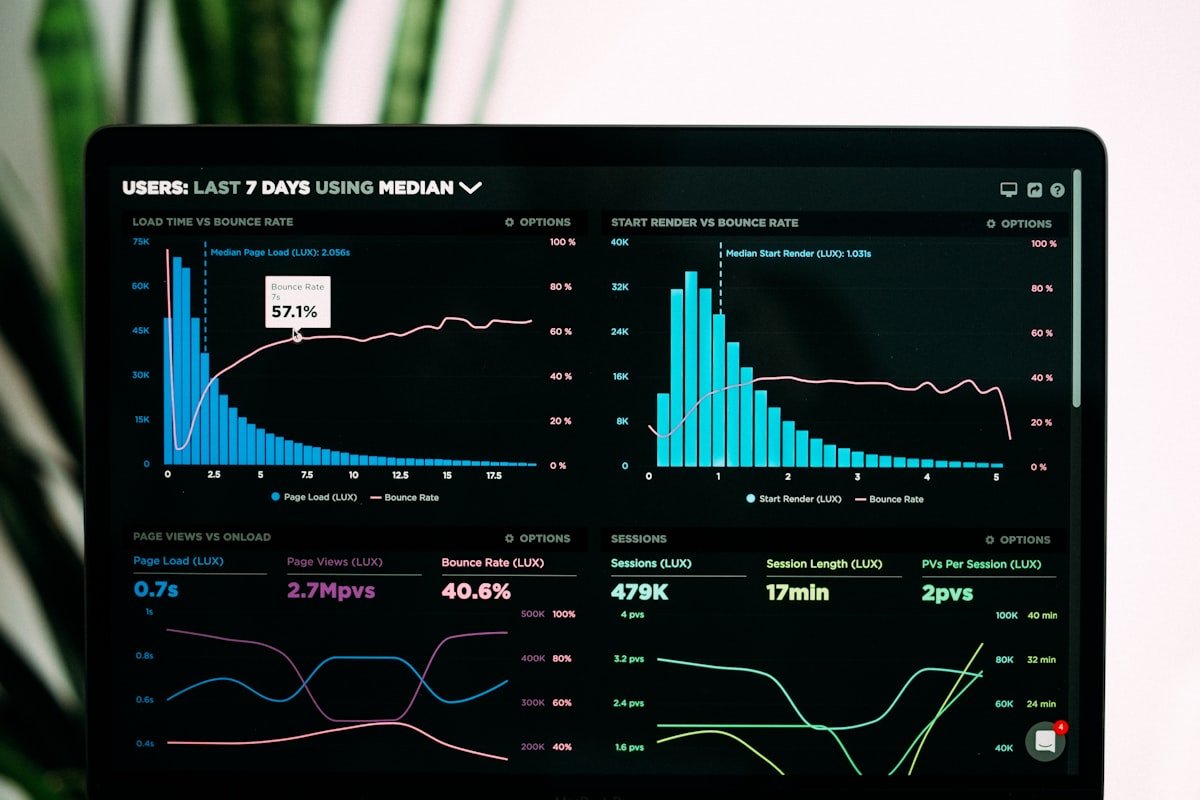
A digital system gives you answers, not opinions. You see exactly which pages drive enquiries, which traffic sources deliver the best leads, how customers move through your site before converting, and where the friction points are. You stop guessing and start making decisions backed by real data.
Why Visinova Builds Systems, Not Just Sites
This is exactly why we exist. Visinova was built on a simple observation: most web agencies build websites and walk away. They hand over a finished design, maybe throw in some hosting, and move on to the next client. But a website without a system is like a car without an engine -- it looks right, but it does not go anywhere.
We build the complete digital infrastructure. The website is just the starting point. Behind it, we create the dashboards, the automation, and the analytics layer that turn a static site into a working business tool. Every project is hand-coded for performance and security. Every system is tailored to the way your specific business operates. And everything is designed to scale with you as you grow.
The ROI: System vs. Standalone Website
A standalone website costs less upfront but generates less value. It sits there passively, waiting for someone to find it. A digital system costs more initially but actively works for you. It captures leads while you sleep. It nurtures them automatically. It gives you the data to improve continuously.
The compounding effect
A website's value is static. A system's value compounds. Every automation you add saves more time. Every data point you collect improves your decisions. Every lead that is nurtured automatically is revenue your competitors are missing. Over 12 months, the gap between a website business and a system-driven business becomes insurmountable.
The question is not whether you can afford to build a digital system. It is whether you can afford not to. Your competitors who invest in systems will capture leads faster, serve customers better, and scale more efficiently. Every month you operate with just a website is a month you fall further behind.
Stop thinking of your online presence as a page. Start thinking of it as a machine. Build the system. Watch it work. And let it grow your business in ways a website alone never could.
Ready to build your digital system?
Visinova designs and builds complete digital systems -- website, dashboard, automation, and analytics -- tailored to the way your business works. Let us show you what is possible.
Start your projectRelated reading
Ready to invest in a website that works?
Visinova builds hand-coded, SEO-optimised websites and business systems designed to generate leads and grow your business. No templates. No bloat. Just results.
Get a free quote